
Sydney’s solar energy has surged as a top renewable choice, leading the charge with efficient Sydney’s Solar Panels installations harnessing the city’s plentiful sun. With its sunny climate, government incentives, and growing awareness of environmental issues, more homeowners and businesses are turning to solar panels to reduce electricity bills and carbon footprints. However, there are still many misconceptions about solar panels from their cost and efficiency to maintenance and long-term benefits. This article explores the truth about solar panels in Sydney, helping readers make informed decisions about investing in solar energy.
Why Sydney’s Solar Panels Are Popular?
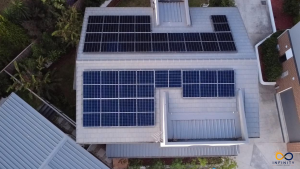
Sydney enjoys an average of over 250 sunny days each year, making it an ideal location for solar energy generation. The city’s climate allows solar panels to produce consistent electricity throughout the year. Rising electricity prices have also encouraged many households to look for sustainable and cost-effective alternatives. Solar panels offer a way to generate free electricity from sunlight, reducing dependence on the grid and lowering monthly energy bills.
Government incentives have further boosted solar adoption. Programs such as the Small-scale Renewable Energy Scheme (SRES) provide financial rebates for installing solar systems, making them more affordable for homeowners. Additionally, feed-in tariffs allow households to earn credits for excess electricity sent back to the grid, further improving the return on investment. Understanding the true impact of your energy choice means comparing modern technology with traditional sources, so we’ve broken down the key differences in cost and efficiency in our solar panels vs traditional electricity analysis
How Solar Panels Work
Solar panels convert sunlight into electricity using photovoltaic (PV) cells. When sunlight hits these cells, it creates an electric current that can be used to power appliances and lighting. A typical solar system includes several key components:
- Solar panels: Capture sunlight and convert it into direct current (DC) electricity.
- Inverter: Converts DC electricity into alternating current (AC), which is used in homes and businesses.
- Mounting system: Secures the panels to the roof at the optimal angle for sunlight exposure.
- Battery storage (optional): Stores excess energy for use at night or during cloudy days.
- Monitoring system: Tracks energy production and system performance.
The efficiency of a solar system depends on factors such as panel quality, roof orientation, shading, and maintenance. In Sydney, north-facing roofs typically receive the most sunlight, maximizing energy generation.
The Real Cost of Sydney’s Solar Panels
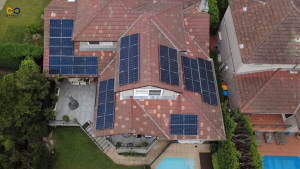
One of the biggest questions homeowners ask is how much solar panels cost. The price of a solar system in Sydney varies depending on size, brand, and installation complexity. On average, a 6.6 kW system — suitable for a medium-sized household costs between $4,000 and $7,000 after government rebates. Larger systems or premium brands may cost more, but they often deliver higher efficiency and longer warranties. “The cost of a solar panel depends on a few factors, such as system size, panel and inverter quality, installation complexity, and additional components”.
While the upfront cost may seem high, solar panels are a long-term investment. Most systems pay for themselves within 3 to 5 years through energy savings and feed-in tariff credits. After that, the electricity generated is essentially free. Considering that solar panels can last 25 years or more, the long-term financial benefits are significant. Unveiling Sydney’s solar panels true costs from upfront investment to long-term savings reveals if they’re worth every dollar for city homeowners.
Government Incentives and Rebates
The Australian government supports renewable energy through several programs designed to make solar more affordable. The Small-scale Renewable Energy Scheme (SRES) provides Small-scale Technology Certificates (STCs) based on the system’s size and expected energy output. Maximizing your return on investment depends on understanding the equipment’s lifespan, which we explore in depth in our article regarding “solar panel longevity and essential maintenance.”
In addition, feed-in tariffs offered by electricity retailers allow homeowners to earn money for the excess energy their systems produce. The rate varies depending on the provider, but it typically ranges from 5 to 15 cents per kilowatt-hour. These incentives make solar energy a financially attractive option for Sydney residents.
Common Myths About Solar Panels
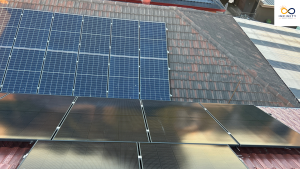
Despite their popularity, several myths about solar panels persist. Understanding the truth behind these misconceptions helps homeowners make better decisions.
Myth 1: Solar Panels Don’t Work on Cloudy Days
Solar panels still generate electricity on cloudy or rainy days, though at a reduced rate. Modern panels are designed to capture diffuse sunlight, meaning they can still produce power even when the sun isn’t shining directly.
Myth 2: Solar Panels Are Too Expensive
While solar panels were once costly, prices have dropped significantly over the past decade. Combined with government rebates and lower energy bills, solar systems are now more affordable than ever.
Myth 3: Solar Panels Require Constant Maintenance
Solar panels are low-maintenance. Occasional cleaning to remove dust and debris is usually enough to keep them performing efficiently. Most systems come with warranties of 10 to 25 years, ensuring long-term reliability.
Myth 4: Solar Panels Damage Roofs
When installed by certified professionals, solar panels do not damage roofs. In fact, they can protect the roof surface from weather exposure, extending its lifespan.
Myth 5: Solar Energy Isn’t Reliable
With battery storage systems, solar energy can provide power even during blackouts or at night. Advances in technology have made solar systems more reliable and efficient than ever before.
Environmental Benefits of Solar Energy
Solar energy is one of the cleanest and most sustainable power sources available. By switching to solar, Sydney households can significantly reduce their carbon footprint. A typical 6.6 kW solar system can offset over 250 tones of carbon dioxide over its lifetime equivalent to planting thousands of trees.
Sydney’s solar panels produce no harmful emissions like fossil fuels, avoiding air pollution while cutting demand for non-renewable sources to support Australia’s greener future. Many homeowners wonder if the local climate is ideal for solar, and the answer is nuanced; gain a better understanding of how factors like cloud cover and seasonal changes influence your system’s output in our guide on how Sydney’s weather affects solar panel efficiency.
Choosing the Right Solar System
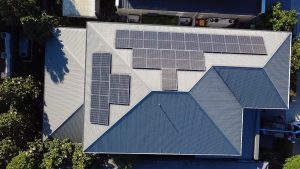
Selecting the right solar system involves more than just comparing prices. Several factors should be considered to ensure maximum efficiency and long-term value:
- System size: Choose a system that matches household energy consumption.
- Panel quality: Look for reputable brands with proven performance and strong warranties.
- Inverter type: The inverter is the heart of the system; choose one with high efficiency and reliability.
- Installer accreditation: Always use Clean Energy Council (CEC) accredited installers to ensure safety and compliance.
- Battery storage: Consider adding a battery if energy independence or blackout protection is a priority.
Professional installers can assess roof orientation, shading, and energy usage to recommend the best system design. Determining the right setup depends heavily on your local roof space and usage habits, both of which are covered in our guide to choosing the right solar system size.
Solar Battery Storage in Sydney
Battery storage has become increasingly popular in Sydney as homeowners seek greater energy independence. A solar battery stores excess electricity generated during the day for use at night or during power outages. This reduces reliance on the grid and maximizes the use of solar energy.
Popular battery options include lithium-ion models such as the Tesla Powerwall, LG Chem, and Sonnen. While adding a battery increases the upfront cost, it can enhance energy savings and provide peace of mind during blackouts.
The Future of Solar Energy in Sydney
The future of solar energy in Sydney looks bright. As technology continues to advance, solar panels are becoming more efficient, affordable, and accessible. Integrating Sydney’s solar panels with smart home systems, electric vehicles, and battery storage unlocks even greater efficiency and value from solar power.
Government policies and community initiatives are also driving the shift toward renewable energy. With Sydney’s commitment to sustainability, solar energy will play a key role in achieving carbon reduction targets and creating a cleaner environment.
Tips for Maximizing Solar Efficiency
To get the most out of a solar system, homeowners can follow a few simple practices:
- Keep panels clean and free from debris.
- Schedule regular maintenance checks.
- Use high-energy appliances during the day when solar production is highest.
- Monitor system performance through the inverter or app.
- Consider upgrading to energy-efficient appliances.
These steps help ensure consistent performance and faster returns on investment.
FAQ: The Truth About Sydney’s Solar Panels

-
Are solar panels really worth it in Sydney?
Yes—Sydney is one of the best places in Australia for solar due to its high sunlight levels. Most households can save $1,200–$3,000 per year on electricity bills, making solar a strong long-term investment.
-
How much do Sydney’s solar panels actually cost ?
Costs vary depending on system size and quality:
- Typical 6.6kW system: around $5,000–$8,000 after rebates
- Smaller systems: from about $2,100+
- Larger systems: up to $10,000+
Prices include installation and government incentives in most cases.
-
Do solar panels eliminate electricity bills completely?
Not always. Most homes still receive small bills because:
- Night-time usage still relies on the grid
- Feed-in tariffs are relatively low (about 6–12 cents per kWh)
However, bills are usually reduced significantly.
-
What’s the biggest myth about solar panels?
One major myth is that “solar is too expensive.”
In reality, prices have dropped significantly over the years due to improved technology and government rebates, making solar more affordable than ever.
-
Are government rebates still available?
Yes. Sydney homeowners benefit from the STC (Small-scale Technology Certificate) rebate, which can reduce upfront costs by $1,000–$4,000 depending on system size.
Conclusion
The truth about solar panels in Sydney is clear: they are a smart, sustainable, and financially rewarding investment. With abundant sunshine, supportive government incentives, and advanced technology, solar energy offers a practical solution for reducing electricity costs and environmental impact. While myths and misconceptions still exist, the facts show that solar panels are reliable, affordable, and beneficial for both homeowners and the planet.
As Sydney continues to embrace renewable energy, Sydney’s solar panels will remain at the forefront of the city’s transition to a cleaner, greener future.