
Solar energy has become one of the most popular renewable energy sources for homes and businesses. As more people switch to solar power, one of the most common questions asked is: How long do solar panels last? Understanding the lifespan of solar panels helps in planning, budgeting, and maximizing the return on investment. This guide explains everything about solar panel longevity, factors that affect their lifespan, maintenance tips, and how to extend their efficiency over time.
Understanding Solar Panel Lifespan
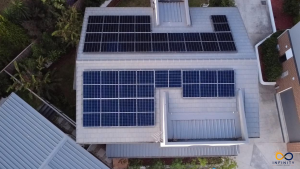
Most solar panels are designed to last 25 to 30 years or more. This doesn’t mean they stop working after that period; rather, their energy production gradually decreases. Manufacturers usually guarantee that panels will still produce at least 80% of their original output after 25 years. With proper care, many panels continue to generate electricity well beyond their warranty period.
The solar panel lifespan depends on several factors, including the type of panel, installation quality, environmental conditions, and maintenance practices. Long story short, a solar panel’s lifespan is about 25 to 30 years.
Types of Solar Panels and Solar Panel Lifespan

There are three main types of solar panels used in residential and commercial installations. Each type has a slightly different lifespan and efficiency rate.
-
Monocrystalline Solar Panels
- Lifespan: 25–40 years
- Efficiency: 17–22%
- Description: Made from a single crystal structure, monocrystalline panels are known for their high efficiency and durability. They perform well in both high and low light conditions and tend to degrade slower than other types.
-
Polycrystalline Solar Panels
- Lifespan: 20–35 years
- Efficiency: 15–17%
- Description: These panels are made from multiple silicon crystals. They are slightly less efficient but more affordable. Their degradation rate is a bit higher than monocrystalline panels.
-
Thin-Film Solar Panels
- Lifespan: 10–20 years
- Efficiency: 10–13%
- Description: Thin-film panels are lightweight and flexible, making them ideal for certain applications. However, they degrade faster and have a shorter lifespan compared to crystalline panels.
What Causes Solar Panels to Degrade?

Solar panels degrade over time due to natural wear and environmental exposure. The degradation rate is typically around 0.5% to 1% per year, depending on the quality of the panel and external conditions. Here are the main causes of degradation:
-
UV Exposure
Constant exposure to ultraviolet rays can cause the materials in solar panels to break down slowly, reducing their efficiency.
-
Thermal Cycling
Daily temperature changes cause expansion and contraction of materials, which can lead to microcracks in the solar cells.
-
Moisture and Humidity
Water infiltration can damage the internal components of solar panels, especially if the sealing or encapsulation is compromised.
-
Physical Damage
Hail, debris, or improper installation can cause cracks or scratches on the panel surface, affecting performance.
-
Corrosion
In coastal areas, salt and humidity can corrode metal parts, reducing the panel’s lifespan.
Solar Panel Warranties and Performance Guarantees
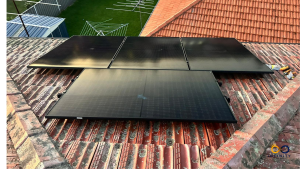
Most solar panel manufacturers offer two types of warranties:
-
Product Warranty
This covers defects in materials or workmanship, usually lasting 10 to 25 years. It ensures that the panel will function properly without manufacturing issues.
-
Performance Warranty
This guarantees that the panel will produce a certain percentage of its rated power output over time. For example, a 25-year performance warranty might guarantee at least 80% efficiency after 25 years.
These warranties give consumers confidence that their investment will perform reliably for decades.
How to Extend the Solar Panel Lifespan
Proper care and maintenance can significantly extend the life of solar panels. Here are some practical tips to ensure long-term performance:
-
Regular Cleaning
Dust, dirt, bird droppings, and leaves can block sunlight and reduce efficiency. Cleaning panels every few months helps maintain optimal performance. Use soft brushes or water without harsh chemicals.
-
Routine Inspections
Inspect panels for cracks, discoloration, or loose wiring. Early detection of issues prevents long-term damage.
-
Professional Maintenance
Schedule professional inspections every 1–2 years. Technicians can check electrical connections, mounting systems, and inverter performance.
-
Monitor Energy Output
Use a solar monitoring system to track energy production. A sudden drop in output may indicate a problem that needs attention.
-
Protect Against Environmental Damage
Trim nearby trees to prevent shading and falling branches. In snowy regions, gently remove snow buildup to maintain sunlight exposure.
Signs That Solar Panels Need Replacement

Even though solar panels can last decades, there are signs that indicate it might be time for replacement or repair:
- Noticeable drop in energy production
- Visible cracks or discoloration on the panels
- Frequent inverter or wiring issues
- Outdated technology with lower efficiency
- Expired warranty with declining performance
If panels are producing significantly less power than expected, a professional assessment can determine whether replacement is necessary.
The Role of Inverters and Other Components
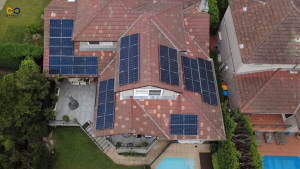
While solar panels have a long lifespan, other system components may need replacement sooner. The inverter, which converts DC electricity to AC, typically lasts 10 to 15 years. Replacing or upgrading the inverter ensures the system continues to operate efficiently.
Mounting hardware, wiring, and batteries (in off-grid systems) also require periodic maintenance or replacement. Keeping all components in good condition helps maximize the overall lifespan of the solar energy system.
Environmental Factors Affecting Solar Panel Lifespan

The environment plays a major role in how long solar panels last. Panels installed in mild climates with moderate temperatures and low humidity tend to last longer. In contrast, extreme weather conditions can accelerate wear. Even after years of use, your panels will continue to produce energy; learn more about how solar panels work on cloudy days to better understand your system’s output over its lifespan.
-
Hot Climates
High temperatures can cause faster material degradation. Proper ventilation and high-quality materials help reduce this effect.
-
Cold Climates
Snow and ice can add weight and cause microcracks. Panels designed for cold weather are more resistant to these conditions.
-
Coastal Areas
Saltwater corrosion can damage metal parts. Panels with corrosion-resistant coatings are ideal for coastal installations.
-
Dusty or Desert Regions
Dust accumulation reduces efficiency. Frequent cleaning and anti-soiling coatings can help maintain performance.
Recycling and Disposal of Old Solar Panels

As solar panels reach the end of their lifespan, proper disposal and recycling become important. Many components, such as glass, aluminum, and silicon, can be recycled and reused. Recycling reduces waste and supports sustainable energy practices.
Several countries and manufacturers have established recycling programs to handle old panels responsibly. Contacting local recycling centers or solar providers ensures panels are disposed of in an eco-friendly way.
The Future of Solar Panel Technology
Advancements in solar technology continue to improve panel efficiency and durability. Modern panels are designed with better materials, improved coatings, and enhanced resistance to environmental stress. Some new models even promise a solar panel lifespan of 40 years or more with minimal degradation.
Emerging technologies like bifacial panels, perovskite solar cells, and smart monitoring systems are expected to further extend the lifespan and performance of solar installations. Choosing the right capacity is essential for long-term satisfaction; use our guide to determine what size solar system do you need for your home to match your long-term energy goals.
Solar Panel Cost vs. Solar Panel Lifespan: Is Solar Worth It?
Although solar panels require an upfront investment, their long lifespan makes them a cost-effective energy solution. Over 25–30 years, the savings on electricity bills often exceed the initial cost. Additionally, government incentives, tax credits, and rebates can reduce installation expenses.
When considering the long-term benefits ,lower energy costs, increased property value, and environmental impact solar panels remain one of the best renewable energy investments available. Switching to solar is one of the most effective ways to hedge against rising grid prices. If you want to see the real-world savings, take a look at our Starter Guide: Is Solar Energy Worth It in Sydney?
FAQ

-
How long do solar panels typically last?
Most solar panels last 25 to 30 years. Even after that, they don’t stop working—they just produce less electricity over time.
-
What happens after 25–30 years?
After this period, panels usually operate at 70–85% of their original efficiency. This is called degradation, not failure.
-
What is the degradation rate of solar panels?
Most panels degrade at about 0.3% to 0.8% per year, depending on quality and environmental conditions.
-
Do solar panels stop working completely?
No, solar panels rarely “die.” They continue generating electricity, just at a reduced output.
-
How long do solar panel inverters last?
Inverters typically last 10 to 15 years, so you may need to replace them once or twice during the panel’s lifetime.
Conclusion
Solar panels are built to last for decades, with most systems performing efficiently for 25 to 30 years or more. Their longevity depends on the type of panel, installation quality, environmental conditions, and maintenance practices. With proper care, solar panels can continue generating clean, renewable energy well beyond their warranty period.
Investing in high-quality panels, scheduling regular maintenance, and monitoring performance ensures maximum efficiency and return on investment. As technology advances, the future of solar energy promises even longer solar panel lifespan and more efficient systems, making solar power a smart and sustainable choice for generations to come.