
As the world moves toward cleaner and more sustainable energy sources, the debate between solar panels and traditional electricity continues to grow. Both energy options have their advantages and disadvantages, but understanding how they compare in terms of cost, efficiency, environmental impact, and long-term benefits can help determine which is better for homes and businesses. This article explores the key differences between solar panels and traditional electricity, offering a clear and easy-to-read comparison for anyone considering a switch to renewable energy.
Understanding Solar Panels

Solar panels are devices that convert sunlight into electricity using photovoltaic (PV) cells. These cells capture solar energy and transform it into direct current (DC) electricity, which is then converted into alternating current (AC) through an inverter. AC electricity is what powers most household appliances and electrical systems.
Solar energy is renewable, drawing from the sun’s inexhaustible rays, in stark contrast to Solar Panels vs Traditional Electricity where fossil fuels deplete over time. This reliability positions solar as a cornerstone for future energy needs without resource scarcity. Traditional sources, however, face mounting supply risks as reserves dwindle globally.
How Solar Panels Work
- Sunlight Absorption: Solar panels absorb sunlight through photovoltaic cells.
- Energy Conversion: The sunlight is converted into DC electricity.
- Inversion Process: An inverter changes DC electricity into AC electricity.
- Power Distribution: The electricity is used to power homes or stored in batteries for later use.
Understanding Traditional Electricity

Traditional electricity, also known as grid electricity, is generated from non-renewable sources such as coal, natural gas, and oil, setting it apart in Solar Panels vs Traditional Electricity discussions. These fossil fuels are burned to produce heat, which generates steam that drives turbines to create electricity. The electricity is then transmitted through power lines to homes and businesses. Unlike solar panels that harness free sunlight directly on-site, this process incurs ongoing fuel and transmission losses. Over time, these inefficiencies drive up costs for consumers reliant on the grid.
While traditional electricity has powered the world for over a century, it comes with significant environmental and economic drawbacks. The burning of fossil fuels releases greenhouse gases, contributing to climate change and air pollution.
How Traditional Electricity Works
- Fuel Extraction: Fossil fuels are mined or drilled from the earth.
- Energy Production: The fuels are burned to produce heat.
- Electricity Generation: Steam drives turbines connected to generators.
- Transmission: Electricity travels through power lines to consumers.
Cost Comparison
Initial Investment
Solar panels require a higher upfront cost due to the purchase and installation of panels, inverters, and sometimes batteries. However, government incentives, tax credits, and rebates can significantly reduce the initial expense. Over time, the cost of solar panels has dropped, making them more affordable for homeowners.
Traditional electricity, on the other hand, does not require an upfront investment from consumers beyond standard connection fees, unlike Solar Panels vs Traditional Electricity where initial panel costs apply. However, monthly electricity bills can add up over time, especially as energy prices fluctuate. Solar setups, once installed, shield users from these rising rates through self-generated power. This predictability enhances financial planning for long-term homeowners.
Long-Term Savings
Solar panels can lead to substantial long-term savings. Once installed, they generate free electricity from sunlight, reducing or even eliminating monthly energy bills. In some cases, homeowners can sell excess electricity back to the grid through net metering programs.If you’re still weighing the pros and cons of making the switch, our comprehensive “starter guide on whether solar energy is worth it in Sydney” breaks down the financial and environmental benefits tailored to our local climate.
Traditional electricity costs are ongoing and subject to rate increases. Consumers remain dependent on utility companies and fossil fuel markets, which can be unpredictable.
Verdict: Solar panels have higher initial costs but offer greater long-term savings compared to traditional electricity.
Environmental Impact
Solar Panels
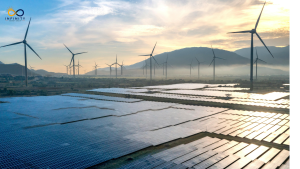
Solar energy is clean and renewable, producing no greenhouse gas emissions during operation and reducing dependence on fossil fuels, a clear advantage in Solar Panels vs Traditional Electricity debates. By switching to solar power, households can significantly lower their carbon footprint.
However, the production of solar panels does have some environmental impact, including the use of raw materials and energy during manufacturing. Despite this, the overall environmental cost is much lower than that of fossil fuel-based electricity. Even when the sun isn’t shining brightly, renewable energy can still be captured; read our analysis on “how solar panels function on cloudy days”to clear up any doubts
Traditional Electricity

Traditional electricity generation is one of the largest sources of carbon emissions globally. “The environmental impact of traditional energy sources is significant”. Burning coal, oil, and natural gas releases harmful pollutants such as carbon dioxide, sulfur dioxide, and nitrogen oxides. These emissions contribute to global warming, acid rain, and respiratory diseases.
Verdict: Solar panels are far more environmentally friendly than traditional electricity.
Efficiency and Reliability
Solar Panels
Solar panels are highly efficient in sunny regions but can be less effective in areas with limited sunlight or frequent cloudy weather. Modern solar technology, however, continues to improve efficiency even in low-light conditions. Energy storage systems, such as solar batteries, allow users to store excess power for nighttime or cloudy days.
Traditional Electricity
Traditional electricity is reliable and consistent, as it is not dependent on weather conditions. Power is available 24/7 through the grid. However, power outages can occur due to storms, equipment failures, or grid overloads.
Verdict: Traditional electricity offers consistent reliability, while solar panels provide sustainable energy with improving efficiency and storage options.
Maintenance and Lifespan
Solar Panels

Solar panels require minimal maintenance. Regular cleaning and occasional inspections are usually enough to keep them functioning efficiently. Most solar panels come with warranties lasting 20 to 25 years, and many continue to produce electricity beyond that period.
Traditional Electricity

Consumers using traditional electricity do not need to maintain power generation equipment, as this is handled by utility companies. However, they remain dependent on external infrastructure, which can degrade over time and lead to service interruptions.
Verdict: Solar panels have low maintenance needs and long lifespans, making them a durable energy solution.
Energy Independence
Solar panels provide energy independence by allowing homeowners to generate their own electricity. This reduces reliance on utility companies and protects against rising energy costs. In remote areas, solar systems can provide power where grid access is unavailable.
Traditional electricity keeps consumers tied to the grid and subject to market fluctuations. Energy independence is limited unless backup generators or alternative systems are installed.
Verdict: Solar panels offer greater energy independence than traditional electricity.
Economic and Social Benefits
Switching to solar energy supports local economies by creating jobs in manufacturing, installation, and maintenance, giving it an edge in Solar Panels vs Traditional Electricity comparisons. This growth spurs innovation in green tech sectors nationwide. It also encourages innovation in renewable energy technologies. Governments worldwide are investing in solar infrastructure to promote sustainable growth.
Traditional electricity continues to support large-scale industries but often at the expense of environmental health and long-term sustainability. The fossil fuel industry faces increasing pressure to reduce emissions and transition toward cleaner alternatives.
Verdict: Solar energy contributes more positively to economic growth and sustainability.
Technological Advancements
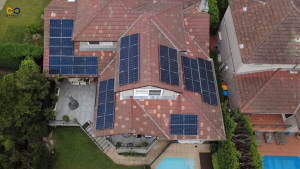
Solar technology is advancing rapidly. New developments in photovoltaic materials, energy storage, and smart grid integration are making solar systems more efficient and affordable. Innovations such as solar roof tiles and flexible panels are expanding the possibilities for solar adoption.
Traditional electricity systems are also evolving, with some utilities incorporating renewable sources into their grids. However, the transition is slow due to existing infrastructure and economic dependencies on fossil fuels.
Verdict: Solar technology is advancing faster and becoming more accessible than traditional electricity systems.
Government Incentives and Policies

Many governments offer incentives to encourage solar adoption, including tax credits, rebates, and grants. These programs make solar installations more affordable and accelerate the shift toward renewable energy.
Traditional electricity does not typically benefit from such incentives, unlike Solar Panels vs Traditional Electricity, which often qualify for tax credits and rebates. These perks make solar investments more affordable for households seeking sustainable options. In contrast, grid power depends on aging networks with limited new funding support.
Verdict: Solar panels benefit from stronger government support and incentives.
Challenges of Solar Energy
While solar energy offers many advantages, it also faces challenges:
- Weather Dependence: Solar panels generate less power on cloudy or rainy days.
- Space Requirements: Large systems need sufficient roof or ground space.
- Energy Storage Costs: Batteries can be expensive, though prices are decreasing.
- Initial Investment: Upfront costs may still be a barrier for some households.
Despite these challenges, the long-term benefits often outweigh the drawbacks.
Future Outlook
The future of energy is leaning toward renewable sources, with solar power leading the way. As technology improves and costs continue to fall, solar energy is expected to become the dominant source of electricity worldwide. Traditional electricity will likely play a smaller role, supplemented by renewable energy systems like Solar Panels vs Traditional Electricity. Homeowners increasingly adopt solar setups for reliable power during peak usage. This shift cuts utility bills while promoting cleaner air through reduced fossil fuel dependence. If you’re ready to make the switch but aren’t sure where to start, check out our guide on what size solar system you need for your home to ensure your setup is perfectly matched to your energy usage
FAQ

1. What is the main difference between solar panels vs traditional electricity?
Solar panels generate electricity from sunlight using photovoltaic (PV) technology, while traditional electricity typically comes from centralized power plants using fossil fuels, hydropower, or other sources.
2. Which is more cost-effective in the long run?
Solar panels usually have a higher upfront cost but lower long-term expenses since sunlight is free. Traditional electricity has lower initial costs but ongoing monthly bills that can increase over time.
3. Are solar panels reliable compared to traditional electricity?
Solar panels are reliable but depend on sunlight availability. Traditional electricity is generally more consistent, though outages can still occur. Adding batteries can improve solar reliability.
4. What happens at night or during cloudy days?
Solar panels produce less or no electricity at night and reduced output during cloudy days. However, systems with battery storage or grid connection can ensure continuous power supply.
5. Which option is more environmentally friendly?
Solar energy is much cleaner and renewable, producing no greenhouse gas emissions during operation. Traditional electricity often relies on fossil fuels, which contribute to pollution and climate change.
Conclusion
When comparing solar panels vs traditional electricity, solar energy emerges as the better choice for long-term sustainability, cost savings, and environmental protection. While traditional electricity remains reliable and widely available, its dependence on fossil fuels makes it less sustainable for the future.
Solar panels offer a cleaner, more independent, and economically beneficial alternative. With ongoing technological advancements and government support, solar energy is not just the future,it is the smarter choice for today in Solar Panels vs Traditional Electricity scenarios. Panels now convert sunlight more efficiently than ever, dropping costs for everyday users. Grid electricity, meanwhile, struggles with outdated systems that can’t match this rapid progress.
Final Verdict: Solar panels are better than traditional electricity for those seeking a sustainable, cost-effective, and environmentally friendly energy solution.