

Switching to solar energy is one of the smartest ways to reduce electricity bills and lower carbon emissions. However, one of the most common questions homeowners ask is: What size solar system do I need for my home? The answer depends on several factors, including energy usage, location, roof size, and budget. Understanding these factors helps ensure the solar system is efficient, cost-effective, and tailored to household needs. Working out the best system size can be complicated.
This guide explains how to calculate the right solar system size, what influences it, and how to make the most of solar energy at home.
Understanding Solar System Size
The size of a solar system is measured in kilowatts (kW). It represents the total power output the system can produce under ideal conditions. For example, a 5 kW solar system can generate up to 5 kilowatts of electricity per hour when the sun is shining at its peak.
The actual energy produced depends on sunlight hours, panel efficiency, and system design. A well-sized system should generate enough electricity to cover most or all of a household’s energy needs throughout the year.
Factors That Determine Solar System Size
-
Household Energy Consumption
The first step in sizing a solar system is understanding how much electricity the home uses. Energy consumption is measured in kilowatt-hours (kWh) and can be found on monthly electricity bills.
- Low energy users: Small apartments or energy-efficient homes may use around 3,000–4,000 kWh per year.
- Medium energy users: Average households typically consume 5,000–7,000 kWh annually.
- High energy users: Large homes or those with electric heating, pools, or EV chargers may use 10,000 kWh or more each year.
To estimate the right system size, divide annual energy usage by the average number of sunlight hours per day and adjust for system efficiency.
Example:
If a home uses 6,000 kWh per year and receives 5 hours of sunlight daily, the calculation would be:
6,000 ÷ (365 × 5) = 3.29 kW
Considering efficiency losses, a 4 kW system would be suitable.
-
Location and Sunlight Availability
The amount of sunlight a home receives directly affects how much energy solar panels can produce. Homes in sunny regions like Arizona or Queensland need smaller systems than those in cloudy or northern areas.
Average daily sunlight hours vary by region:
- Sunny regions: 5–7 hours per day
- Moderate regions: 4–5 hours per day
- Cloudy regions: 3–4 hours per day
Local climate, shading from trees or buildings, and roof orientation also influence solar performance. Local environmental factors play a major role in performance, explore our guide on how Sydney’s weather affects solar panel efficiency to ensure your system is optimized for your area.
-
Roof Size and Orientation
The roof’s size, shape, and direction determine how many panels can be installed and how efficiently they capture sunlight.
- North-facing roofs (in the Southern Hemisphere) or south-facing roofs (in the Northern Hemisphere) receive the most sunlight.
- East- or west-facing roofs can still work well but may produce slightly less energy.
- Flat roofs allow flexible panel placement using tilt frames.
A typical solar panel measures about 1.7 m² and produces around 350–450 watts. A 6.6 kW system, for example, may require 15–18 panels, needing roughly 25–30 m² of roof space.
-
System Efficiency and Panel Type
Not all solar panels are equal. Efficiency varies depending on the technology used.
- Monocrystalline panels: High efficiency (18–22%), ideal for limited roof space.
- Polycrystalline panels: Moderate efficiency (15–18%), more affordable.
- Thin-film panels: Lower efficiency but flexible and lightweight.
Higher-efficiency panels generate more power in less space, allowing smaller systems to meet the same energy needs.
-
Energy Goals
The right solar system size also depends on personal goals:
- Offsetting part of the bill: A smaller system can reduce electricity costs without covering all usage.
- Achieving energy independence: A larger system with battery storage can power the home day and night.
- Future-proofing: Installing a slightly larger system can accommodate future energy needs, such as electric vehicles or home expansions.
-
Budget and Incentives
Solar system costs vary by size, brand, and installation complexity. While larger systems cost more upfront, they often deliver better long-term savings. Government rebates, tax credits, and feed-in tariffs can significantly reduce the payback period.
Before deciding, compare quotes from certified installers and check available incentives in the region.
How to Calculate the Right Solar System Size
A simple formula can help estimate the ideal system size:
System Size (kW) = Annual Energy Usage (kWh) ÷ (Average Sunlight Hours × 365 × System Efficiency)
Assuming 80% system efficiency (to account for losses from shading, inverter conversion, and temperature), the calculation becomes more accurate.
Example Calculation:
- Annual usage: 7,000 kWh
- Average sunlight: 5 hours/day
- Efficiency: 80%
7,000 ÷ (5 × 365 × 0.8) = 4.79 kW
A 5 kW system would be suitable for this household.
Typical Solar System Sizes for Homes

| System Size (kW) | Average Daily Output (kWh) | Suitable For | Approx. Panels Needed |
| 3 kW | 12–15 | Small homes or apartments | 8–10 |
| 4 kW | 16–20 | Small to medium homes | 10–12 |
| 5 kW | 20–25 | Average family homes | 12–14 |
| 6.6 kW | 25–30 | Larger families or high usage | 15–18 |
| 10 kW | 40–50 | Large homes or energy independence | 25–30 |
These figures vary depending on location, panel efficiency, and sunlight exposure.
Considering Battery Storage

Adding a solar battery allows excess energy to be stored for use at night or during cloudy days. This increases energy independence and reduces reliance on the grid.
Common battery sizes range from 5 kWh to 15 kWh. A 10 kWh battery can typically power an average home overnight. While batteries increase upfront costs, they enhance long-term savings and provide backup power during outages.
Grid-Connected vs. Off-Grid Systems
Grid-Connected Systems
Most residential solar systems are grid-tied, meaning they remain connected to the local electricity grid. Excess energy is exported to the grid, often earning credits through feed-in tariffs. These systems are cost-effective and require smaller batteries or none at all.
Off-Grid Systems
Off-grid systems operate independently from the grid, relying entirely on solar panels and batteries. They are ideal for remote areas but require larger systems and more storage capacity to ensure consistent power supply.
Seasonal Variations in Solar Production
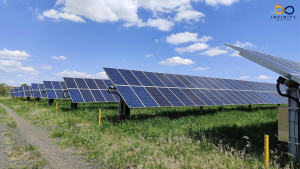
Solar energy production changes throughout the year. Summer months produce more electricity due to longer daylight hours, while winter output decreases. A well-sized system should generate enough annual energy to balance these seasonal differences.
Monitoring energy production through a solar app or inverter display helps track performance and identify any issues early.
Maximizing Solar Efficiency
To get the most from a solar system:
- Keep panels clean and free from debris.
- Trim nearby trees to reduce shading.
- Schedule regular maintenance checks.
- Use energy-efficient appliances.
- Shift high-energy tasks (like laundry or dishwashing) to daylight hours.
Smart energy management ensures the system operates at peak performance and delivers maximum savings.
Cost and Payback Period
The cost of a solar system depends on size, brand, and installation complexity. On average:
- 3 kW system: $3,000–$5,000
- 5 kW system: $5,000–$8,000
- 6.6 kW system: $6,000–$9,000
- 10 kW system: $9,000–$13,000
With government incentives and reduced electricity bills, most systems pay for themselves within 4–7 years. After that, the electricity generated is essentially free.
Future-Proofing the Solar Investment

Energy needs often increase over time due to new appliances, electric vehicles, or home expansions. Installing a slightly larger system or choosing an inverter that supports future upgrades ensures long-term flexibility.
Battery-ready systems are also a smart choice, allowing easy integration of storage later as prices continue to drop.Once you have determined the right system size for your home, the next step is planning your installation. Find out the best time to install solar panels in Sydney to maximize your benefits
Professional Assessment and Installation
While online calculators provide a good estimate, a professional solar installer can perform a detailed assessment. This includes:
- Roof inspection and shading analysis
- Energy usage evaluation
- System design and panel layout
- Cost-benefit analysis
- Warranty and maintenance planning
Choosing a certified installer ensures safety, compliance, and optimal performance. Before finalizing your system size, it is helpful to understand how solar panels perform on cloudy days, as local weather patterns can impact your total annual output.”
FAQ(Frequently Asked Question)

-
How do I determine the right solar system size for my home?
Start by checking your monthly electricity bill (kWh usage). Then consider:
- Roof space and direction
- Sunlight hours in your area
- Efficiency of solar panels
A typical formula:
System size (kW) = Monthly usage ÷ (Average sun hours × 30)
-
What is the average solar system size for a home?
Most households need:
- 3–5 kW for small homes
- 5–8 kW for medium homes
- 8–15 kW for large homes or high usage
-
How many solar panels will I need?
It depends on panel wattage:
- 1 kW system ≈ 3–4 panels (high-efficiency) or 4–5 panels (standard)
- Example: A 5 kW system may need 15–20 panels
-
Does my location affect system size?
Yes. Areas with more sunlight require smaller systems to produce the same energy. For example, sunny regions need fewer panels than cloudy ones.
Conclusion
Determining the right solar system size for a home involves balancing energy needs, location, roof space, and budget. A properly sized system can significantly reduce electricity bills, increase property value, and contribute to a sustainable future.
For most households, systems between 4 kW and 6.6 kW provide an ideal balance of cost and performance. However, every home is unique, and a professional assessment ensures the system is perfectly matched to individual requirements.
Switching to solar power is not just an investment in energy savings—it’s an investment in a cleaner, more sustainable lifestyle.