

Switching to solar energy is one of the smartest investments for Sydney homeowners. With abundant sunshine, government incentives, and rising electricity costs, solar panels can significantly reduce energy bills while helping the environment. However, one question often arises: when is the best time to install solar panels in Sydney?
This guide explores the best time of year for installation, factors that influence solar performance, and practical tips for getting the most out of a solar system. It’s written in clear, easy-to-understand language for beginners who want to make an informed decision.
Understanding Sydney’s Climate and Solar Potential
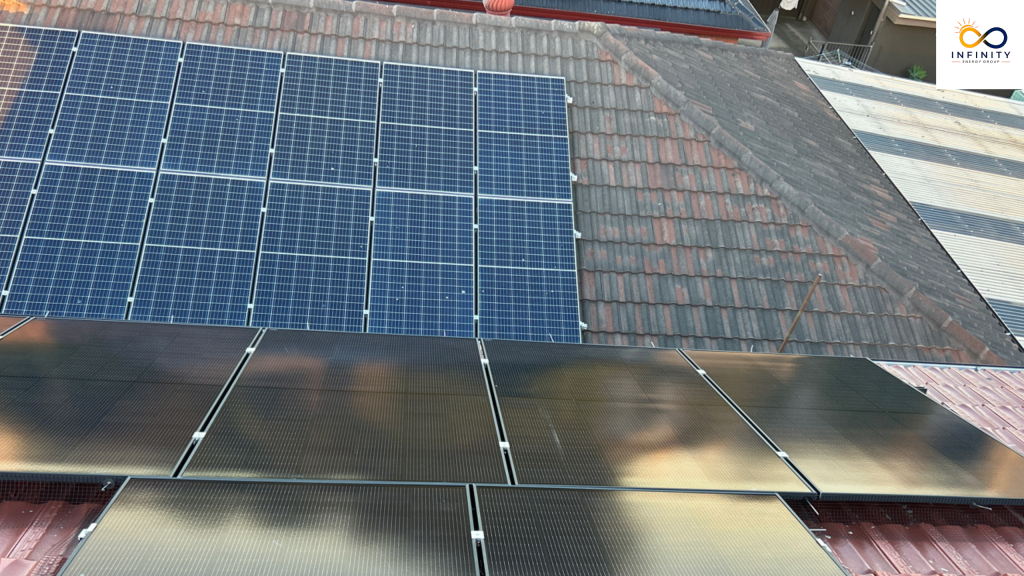
Sydney enjoys a temperate climate with warm summers and mild winters. The city receives an average of over 2,600 hours of sunshine per year, making it one of the best locations in Australia for solar energy production.
Here’s a quick breakdown of Sydney’s seasonal weather patterns:
| Season | Months | Average Temperature (°C) | Sunlight Hours per Day |
| Summer | December – February | 18 – 26 | 7 – 8 |
| Autumn | March – May | 14 – 23 | 6 – 7 |
| Winter | June – August | 8 – 17 | 5 – 6 |
| Spring | September – November | 13 – 24 | 7 – 8 |
These conditions mean solar panels can generate electricity efficiently throughout the year. However, certain times are better for installation due to weather, demand, and financial factors.
What time of year you choose to install your rooftop solar system will depend mainly on what you are trying to get in return quickly from your solar system. Whether you are looking for an easy and convenient installation experience or looking to save money and earn back as much money as possible as soon as possible, here is some general information about what to expect and best time when installing solar panels in different seasons.
The Best Time of Year to Install Solar Panels in Sydney
-
Autumn (March to May) – The Ideal Season
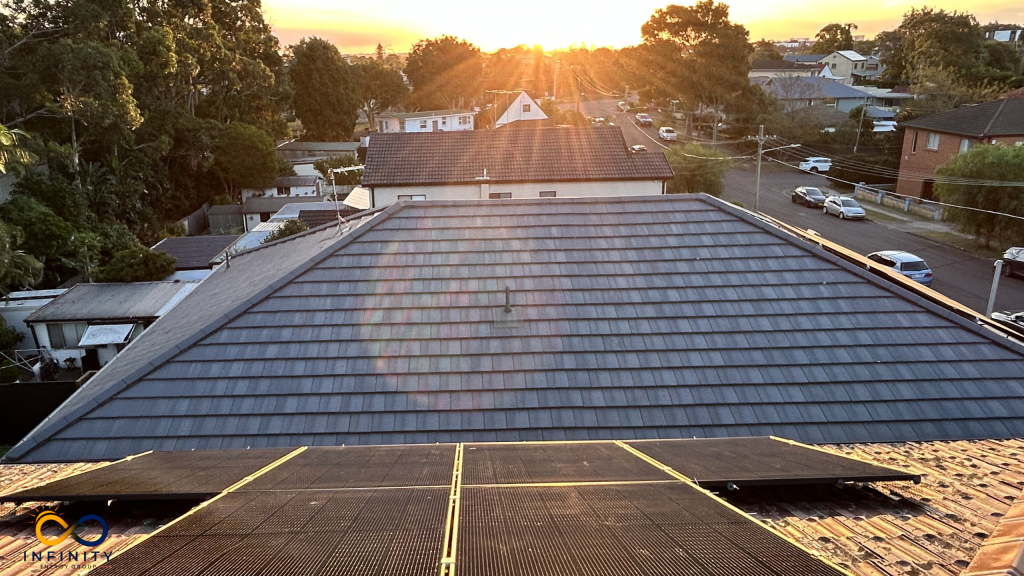
Autumn is often considered the best time to install solar panels in Sydney. The weather is mild, with fewer extreme heat days or heavy rain. Installers can work comfortably, and the panels can be set up before winter begins.
Why autumn is ideal:
- Stable weather: Fewer storms and heatwaves reduce installation delays.
- Optimal preparation: Panels are ready to capture sunlight during winter and spring.
- Shorter waiting times: Demand is lower than in summer, so installation schedules are more flexible.
- Better deals: Some solar companies offer discounts during this period to attract customers before the busy season.
-
Spring (September to November) – Great for Maximum Summer Output
Spring is another excellent time to install solar panels. The days are longer, and sunlight intensity increases, allowing the system to start generating high energy output before summer.
Advantages of spring installation:
- High solar production: Panels are ready for the sunniest months of the year.
- Comfortable weather: Ideal conditions for installers and equipment handling.
- Energy savings: Homeowners can benefit from reduced electricity bills during summer when air conditioning use peaks.
-
Winter (June to August) – A Smart Off-Peak Option
While winter has shorter days and less sunlight, it can still be a good time for installation. Many solar companies experience lower demand, which can lead to faster installation times and potential discounts.
Benefits of winter installation:
- Lower prices: Installers may offer promotions to attract customers.
- Quick scheduling: Easier to book preferred installation dates.
- Ready for summer: Panels are fully operational before the high-demand months.
-
Summer (December to February) – High Demand, High Output
Summer provides the most sunlight, but it’s also the busiest time for solar installations. High temperatures can make installation challenging, and demand often leads to longer waiting times.
Pros and cons of summer installation:
Pros:
- Maximum sunlight for immediate energy savings.
- Quick return on investment due to high energy production.
Cons:
- Longer wait times due to high demand.
- Hot weather can make installation less efficient.
- Potential for equipment overheating during extreme heatwaves.
If you’re still deciding whether solar is worth it, don’t miss our detailed breakdown in Is Solar Energy Worth It in Sydney? A Starter Guide.
Factors That Influence the Best Time To Install
-
Weather Conditions
Mild weather ensures safer and faster installation. Heavy rain, strong winds, or extreme heat can delay work or affect the quality of installation.
-
Installer Availability
Solar companies are busiest in summer and early spring. Booking during off-peak seasons like autumn or winter can lead to faster service and better pricing.
-
Government Incentives
Australia’s solar rebate programs and feed-in tariffs can change over time. Installing sooner ensures eligibility for current incentives before any policy adjustments.
-
Electricity Prices
Electricity costs in Sydney continue to rise. Installing solar panels earlier helps offset these costs sooner, leading to faster savings.
-
Roof Condition
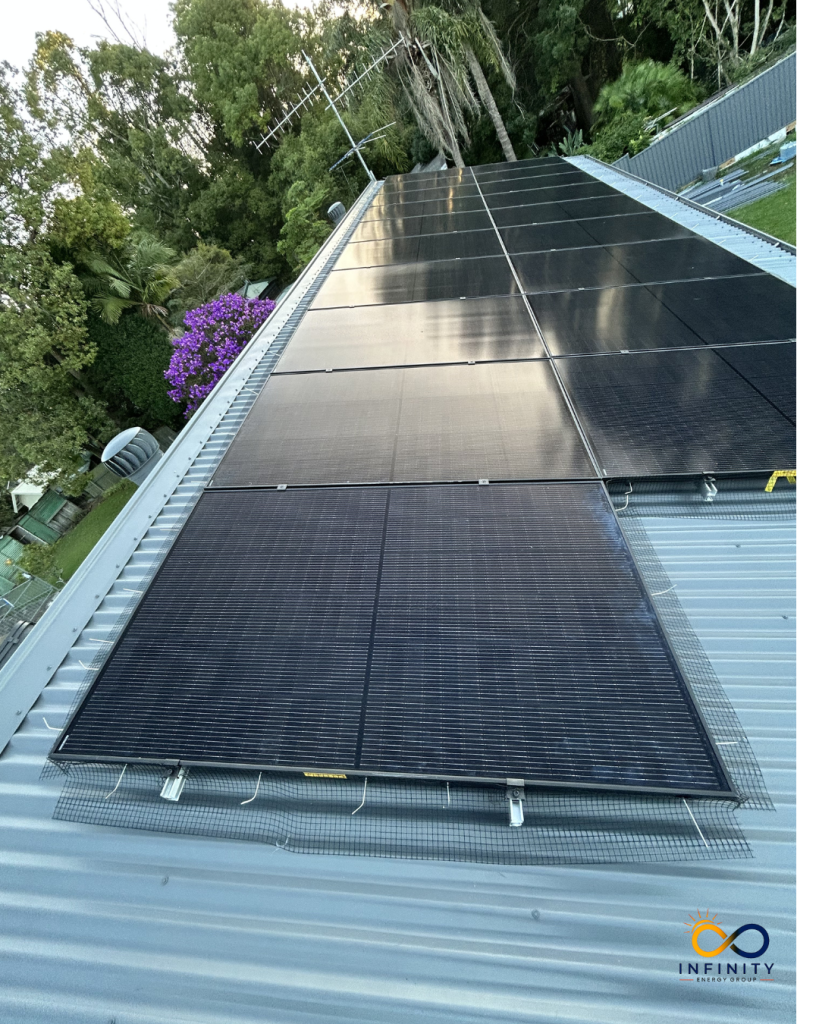
Before installation, the roof should be inspected for damage or wear. If repairs are needed, scheduling them before installation ensures long-term system stability.
How Long Does Solar Panel Installation Take?
The installation process for a typical residential solar system in Sydney usually takes one to three days, depending on system size and roof complexity. The overall timeline, including design, approval, and connection, can take two to six weeks.

Typical steps include:
- Site assessment and quote – Evaluating roof orientation, shading, and energy needs.
- System design and approval – Customizing the solar setup and obtaining grid connection approval.
- Installation – Mounting panels, wiring, and inverter setup.
- Inspection and connection – Final checks and activation of the system.
Maximizing Solar Efficiency After Installation
Installing solar panels is just the first step. To get the best performance, consider these maintenance and optimization tips:
-
Regular Cleaning
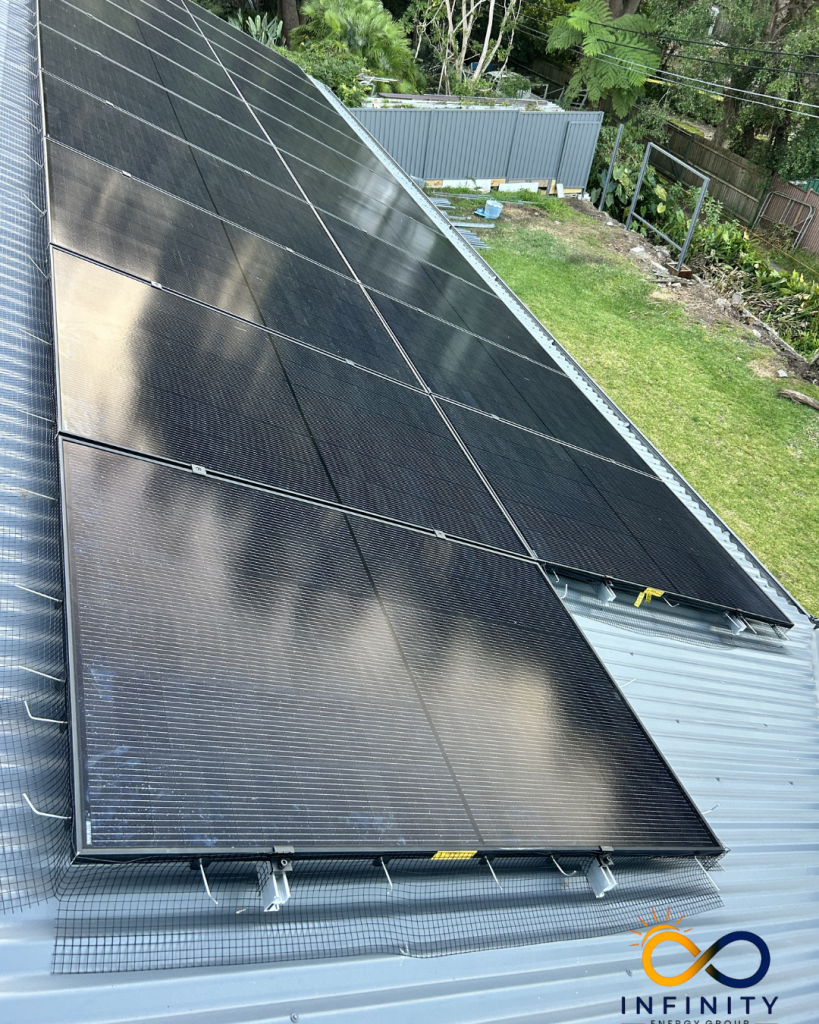
Dust, leaves, and bird droppings can reduce efficiency. Cleaning panels every few months helps maintain peak performance.
-
Monitor Energy Output
Most modern systems include monitoring apps that track energy production. Regular checks help identify issues early.
-
Trim Nearby Trees
Shading can significantly reduce solar output. Keeping trees trimmed ensures maximum sunlight exposure.
-
Schedule Professional Maintenance
A professional inspection every 1–2 years ensures all components, including the inverter and wiring, are functioning properly.
Financial Benefits of Installing Solar Panels in Sydney
-
Reduced Electricity Bills
Solar panels can cut electricity costs by up to 70%, depending on system size and energy usage.
-
Government Rebates
The Small-scale Renewable Energy Scheme (SRES) provides financial incentives through Small-scale Technology Certificates (STCs), reducing upfront costs.
-
Feed-in Tariffs
Excess energy generated can be sold back to the grid, earning credits on electricity bills.
-
Increased Property Value
Homes with solar systems are often more attractive to buyers and can sell at higher prices.
-
Long-Term Savings
With a lifespan of 25 years or more, solar panels offer long-term financial and environmental benefits.
Common Mistakes to Avoid When Installing Solar Panels
- Choosing the cheapest installer – Quality installation ensures long-term performance and safety.
- Ignoring roof orientation – North-facing roofs in Sydney receive the most sunlight.
- Overlooking shading issues – Even small shadows can reduce output.
- Not checking warranties – Ensure both panels and inverters have solid warranties.
- Skipping maintenance – Regular upkeep prevents performance loss.
Why Acting Now Makes Sense
Delaying solar installation can mean missing out on current rebates and months of potential savings. With electricity prices rising and solar technology becoming more efficient, there’s no better time to invest.
Installing in autumn or spring ensures optimal conditions, faster installation, and immediate benefits from Sydney’s abundant sunshine.
Frequently Asked Questions (FAQs)

-
What is the best time of year to install solar panels in Sydney?
The best time is typically spring or early autumn, as these seasons offer mild weather, good sunlight, and smoother installation conditions. Installing before summer also helps you maximize energy savings during peak usage months.
-
Is winter a good time to install solar panels in Sydney?
Yes, winter can actually be a smart time because installation demand is lower, which may lead to faster scheduling and even better pricing. However, energy production will be lower initially due to shorter daylight hours.
-
Why shouldn’t I wait until summer to install solar panels?
Summer is peak season, meaning higher demand, longer wait times, and potential delays. Installing earlier (like in spring or winter) ensures your system is ready when energy production is highest.
-
Does weather affect solar panel installation?
Yes, but not significantly. Solar panels can be installed year-round, though extreme heat or heavy rain may slow the process slightly. Mild seasons like spring and autumn are ideal for smooth installations.
-
How long does it take to install solar panels in Sydney?
The actual installation usually takes 1–3 days, depending on the system size and complexity. However, approvals and paperwork may take several weeks.
Conclusion

The best time to install solar panels in Sydney depends on personal priorities, but autumn and spring stand out as the most favorable seasons. These periods offer mild weather, shorter wait times, and the opportunity to maximize energy production before the high-demand summer months.
By understanding Sydney’s climate, planning ahead, and choosing a reputable installer, homeowners can enjoy reliable, cost-effective solar energy for decades. Solar power isn’t just a smart financial move—it’s a step toward a cleaner, more sustainable future for Sydney and beyond.