
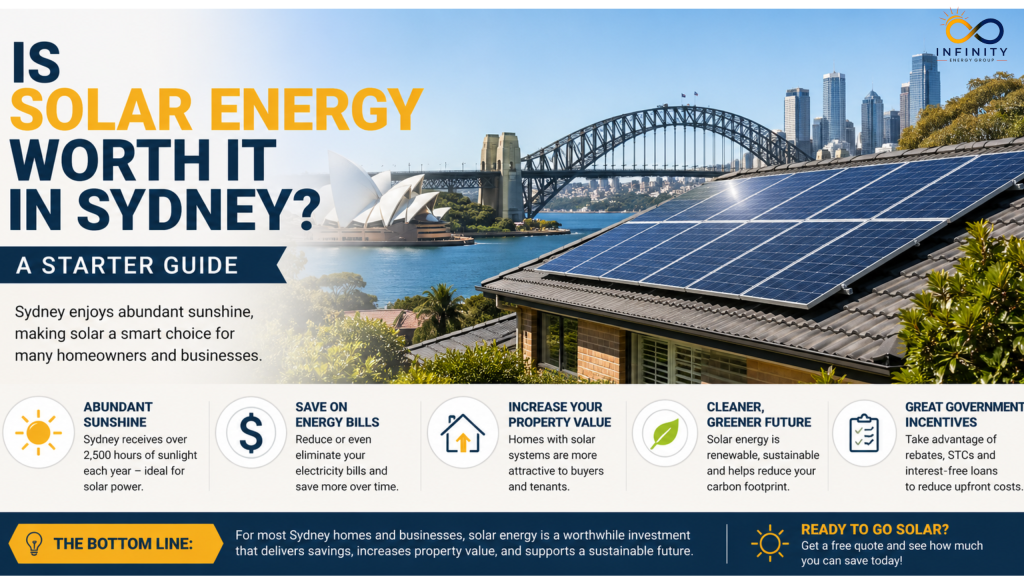
Sydney, known for its sunny climate and forward-thinking residents, has become one of Australia’s leading cities for solar energy adoption. With rising electricity prices and growing environmental awareness, many homeowners and businesses are asking the same question: Is solar energy really worth it in Sydney?
This guide explores everything needed to make an informed decision — from costs and savings to government incentives, installation tips, and long-term benefits.
Understanding Solar Energy
Solar energy is power generated from sunlight using photovoltaic (PV) panels. These panels convert sunlight into electricity that can be used to run appliances, charge devices, and even feed excess power back into the grid.
A typical solar system includes:
- Solar panels – capture sunlight and convert it into direct current (DC) electricity.
- Inverter – converts DC electricity into alternating current (AC), which powers homes and businesses.
- Mounting system – secures panels to the roof.
- Battery (optional) – stores excess energy for use at night or during cloudy days.
Why Sydney Is Ideal for Solar Energy?
Sydney’s climate makes it one of the best locations in Australia for solar power generation. The city enjoys an average of over 250 sunny days per year, providing consistent sunlight for most of the year.
Numerous individuals all around the world are making the switch to solar power now that it is one of the most reliable renewable energy options available. The topic of whether or not solar panels are worthwhile continues coming up, though.
Due to the ever-increasing cost of power, more and more Australians are turning to renewable energy sources like solar panel installation in Sydney. If you live in Sydney, however, and are wondering if a solar energy system is worthwhile, you’ve come to the correct spot. The value and advantages of Solar Energy Sydney are discussed in this article.
Key Advantages of Sydney’s Climate:
- High Solar Irradiance: Sydney receives around 4.5 to 5.5 peak sun hours per day, which means solar panels can generate significant energy.
- Mild Winters: Even during cooler months, Sydney’s sunlight remains strong enough to produce electricity efficiently.
- Stable Weather Patterns: Fewer extreme weather events compared to other regions reduce the risk of damage to solar systems.
The Cost of Solar Panels in Sydney.
The cost of installing solar panels in Sydney has dropped dramatically over the past decade. As of recent data, the average cost for a 6.6 kW solar system — the most common size for households — ranges between $4,000 and $7,000 after government rebates.
Factors Affecting Cost:
- System size: Larger systems cost more but generate more electricity.
- Panel quality: Premium panels with higher efficiency and longer warranties cost more upfront.
- Inverter type: String inverters are cheaper, while microinverters offer better performance and monitoring.
- Roof type and angle: Complex installations may increase labor costs.
- Battery storage: Adding a battery can increase costs by $5,000–$10,000 but provides energy independence.
Government Incentives and Rebates.
Australia’s federal and state governments offer several incentives to make solar energy more affordable.
-
Small-scale Technology Certificates (STCs)
The STC scheme reduces the upfront cost of solar systems. Homeowners receive certificates based on system size and location, which can be sold to offset installation costs.
-
Feed-in Tariffs (FiTs)
Feed-in tariffs allow homeowners to earn money by exporting excess electricity back to the grid. In Sydney, FiTs typically range from 5 to 15 cents per kWh, depending on the energy retailer.
-
NSW Solar Battery Rebate
The New South Wales Empowering Homes Program offers interest-free loans for solar and battery systems, helping households reduce upfront expenses.
How Much Can Be Saved with Solar Energy?
Savings depend on system size, energy usage, and electricity rates. On average, a Sydney household with a 6.6 kW system can save $1,000 to $1,500 per year on electricity bills.
Example Calculation:
- Average daily energy use: 20 kWh
- Solar system output: 25 kWh/day
- Self-consumption: 60%
- Feed-in tariff: 10 cents/kWh
Estimated annual savings:
- 20 kWh × 365 days × $0.30 (grid rate) × 0.6 = $1,314
- 10 kWh × 365 days × $0.10 (feed-in) × 0.4 = $146
- Total savings = $1,460 per year
With these savings, most systems pay for themselves within 3 to 5 years, after which the electricity generated is essentially free.
Not sure which solar panels to choose? Read our Ultimate Guide to Types of Solar Panels Explained for Beginners to compare your options.
Environmental Benefits of Solar Energy
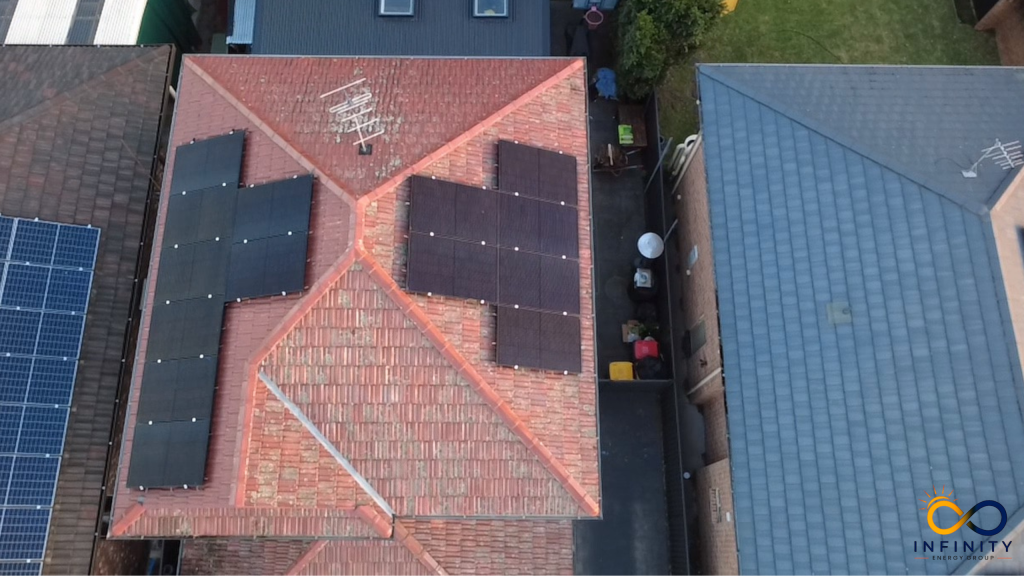
Switching to solar power significantly reduces carbon emissions and dependence on fossil fuels.
Key Environmental Advantages:
- Lower Carbon Footprint: A typical 6.6 kW system can offset around 6 to 7 tonnes of CO₂ annually.
- Reduced Air Pollution: Solar energy produces no harmful emissions during operation.
- Sustainable Energy Source: Sunlight is renewable and abundant, ensuring long-term energy security.
By adopting solar, Sydney residents contribute to Australia’s renewable energy goals and help combat climate change.
Solar Battery Storage: Is It Worth It?
Battery storage allows homeowners to store excess solar energy for later use, reducing reliance on the grid.
Benefits of Adding a Battery:
- Energy Independence: Use stored power during blackouts or at night.
- Increased Savings: Maximize self-consumption and reduce grid electricity costs.
- Backup Power: Maintain essential appliances during outages.
However, batteries remain a significant investment. For most households, the financial return is slower unless electricity prices rise sharply or feed-in tariffs drop.
Choosing the Right Solar System
Selecting the right solar system involves balancing cost, quality, and performance.
Key Considerations:
- System Size: Match the system to energy usage patterns.
- Panel Efficiency: Higher efficiency panels generate more power in limited roof space.
- Warranty: Look for at least a 10-year product warranty and 25-year performance warranty.
- Installer Reputation: Choose Clean Energy Council (CEC) accredited installers.
- Monitoring System: Real-time monitoring helps track performance and detect issues early.
Common Myths About Solar Energy in Sydney
Myth 1: Solar Panels Don’t Work on Cloudy Days
Solar panels still generate electricity under cloudy conditions, though at reduced efficiency. Sydney’s mild weather ensures consistent performance year-round.
Myth 2: Solar Systems Require Constant Maintenance
Solar panels are low-maintenance. Occasional cleaning and annual inspections are usually enough to keep them running efficiently.
Myth 3: Solar Energy Isn’t Worth It Without a Battery
Even without a battery, solar systems can significantly reduce electricity bills through self-consumption and feed-in tariffs.
Maintenance and Longevity
Solar panels are built to last. Most systems have a lifespan of 25 years or more, with minimal maintenance required.
Maintenance Tips:
- Clean panels every 6–12 months to remove dust and debris.
- Check inverter display for error messages.
- Schedule professional inspections every 2–3 years.
Proper maintenance ensures maximum efficiency and extends system life.
The Future of Solar Energy in Sydney
Sydney’s solar market continues to grow as technology improves and costs decline. Innovations such as smart inverters, solar tracking systems, and community solar projects are making renewable energy more accessible.
The city’s commitment to sustainability, combined with supportive government policies, positions Sydney as a leader in Australia’s clean energy transition.
Is Solar Energy Worth It in Sydney?
For most Sydney households, the answer is yes. With abundant sunshine, generous government incentives, and rising electricity prices, solar energy offers both financial and environmental rewards.
Key Takeaways:
- Sydney’s climate is ideal for solar power generation.
- Installation costs have dropped significantly in recent years.
- Government rebates and feed-in tariffs improve affordability.
- Most systems pay for themselves within 3–5 years.
- Solar energy reduces carbon emissions and supports sustainability.
Frequently Asked Questions (FAQs)

-
Is solar energy worth it in Sydney?
Yes, Sydney gets plenty of sunshine throughout the year, making solar panels a smart investment for reducing electricity bills and long-term savings.
-
How much does it cost to install solar panels in Sydney?
The cost depends on system size and quality, but small residential systems are generally affordable and often supported by government incentives.
-
How long does it take to recover the cost (payback period)?
Most homeowners in Sydney recover their investment within 3–5 years through savings on energy bills.
-
Do solar panels work on cloudy or rainy days?
Yes, solar panels still generate electricity on cloudy days, though at reduced efficiency.
-
What size solar system do I need?
It depends on your household energy usage. A typical home may need a 5kW–10kW system.
-
Are there government incentives available in Sydney?
Yes, there are rebates and feed-in tariffs available that can significantly reduce installation costs.
-
Will solar panels eliminate my electricity bill completely?
Not always, but they can reduce your bill significantly—sometimes up to 70–90%.
-
How long do solar panels last?
Most solar panels last 20–25 years or more with proper maintenance.
-
Do I need battery storage with my solar system?
Battery storage is optional. It allows you to store excess energy for nighttime use but increases upfront costs.
Final Thoughts
Investing in solar energy in Sydney is not just a smart financial decision but also a meaningful step toward a cleaner, greener future. Whether for a home or business, solar power provides long-term savings, energy independence, and environmental benefits that make it well worth the investment.
By understanding the costs, incentives, and benefits, Sydney residents can confidently embrace solar energy and join the growing movement toward sustainable living.