
Solar energy has become one of the most popular and sustainable ways to power homes and businesses. With the promise of lower electricity bills and a smaller carbon footprint, solar panels are an excellent investment. However, like any technology, solar panels can face issues over time. Understanding common solar panel problems and how to fix them helps maintain efficiency, extend lifespan, and ensure maximum energy output. When issues start appearing like low output, inverter faults or worn wiring, it is normal to wonder whether solar is still worth it for your home in Sydney, and this guide walks through the costs and savings so you can see the bigger picture.
This guide explores the most frequent solar panel issues, their causes, and practical solutions to keep a solar energy system running smoothly.
-
Reduced Power Output

Causes
- Dirt and debris buildup: Dust, leaves, bird droppings, and pollution can block sunlight from reaching the solar cells.
- Shading: Trees, nearby buildings, or new constructions can cast shadows on panels.
- Faulty wiring or inverter issues: Electrical faults can reduce the amount of power reaching the grid or battery.
Fixes
- Regular cleaning: Clean panels every few months using water and a soft brush or hire a professional cleaning service.
- Trim nearby trees: Ensure no branches or structures block sunlight.
- Check inverter performance: The inverter display should show a green light. If not, consult a technician.
- Schedule maintenance: Have a professional inspect the system annually to detect early signs of degradation.
-
Micro-Cracks in Solar Cells
Causes
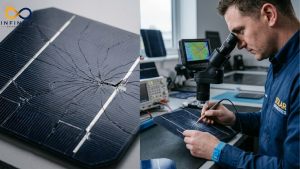
Micro-cracks are tiny fractures in the silicon cells of solar panels is one of the problem of solar panel problem. They often occur during manufacturing, shipping, or installation. Over time, temperature changes and mechanical stress can worsen these cracks, reducing efficiency.
Fixes
- Professional inspection: Use electroluminescence testing to detect micro-cracks.
- Replace damaged panels: If cracks are severe, replacement is the best option.
- Handle panels carefully: During installation or maintenance, avoid stepping or placing heavy objects on panels.
-
Hot Spots

Causes
Hot spots occur when parts of a solar panel overheat due to uneven sunlight exposure or internal damage. They can result from shading, dirt accumulation, or faulty soldering and cause solar panel problems.
Fixes
- Clean panels regularly: Prevent dirt buildup that causes uneven heating.
- Check for shading: Ensure panels receive uniform sunlight.
- Inspect connections: Loose or corroded connections can cause resistance and heat buildup.
- Replace affected panels: If hot spots persist, replacement may be necessary to prevent further damage.
-
Inverter Problems

Causes
The inverter converts direct current (DC) from solar panels into alternating current (AC) for home use. Common inverter issues include faulty wiring, overheating, or software errors.
Fixes
- Monitor inverter display: Most inverters have indicator lights or error codes. A red or orange light signals a problem.
- Check ventilation: Ensure the inverter is installed in a cool, shaded area with proper airflow.
- Reset or update firmware: Some issues can be resolved by resetting or updating the inverter software.
-
PID (Potential Induced Degradation)
Causes
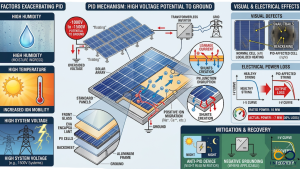
PID occurs when voltage differences between the solar cells and the frame cause unwanted electrical currents, reducing performance. It’s often due to poor grounding or high humidity. Most common solar panel problems are either preventable with the right care or fixable when caught earl
Fixes
- Use anti-PID inverters: These devices help reverse or prevent PID effects.
- Improve grounding: Ensure proper electrical grounding of the system.
- Install PID-resistant panels: Modern panels often come with anti-PID technology.
- Control humidity: Keep panels dry and well-ventilated.
-
Corrosion and Moisture Damage

Causes
Moisture can seep into panels through cracks or poor sealing, leading to corrosion of electrical components. This is common in coastal or humid regions.
Fixes
- Inspect seals and frames: Check for cracks or gaps that allow water entry.
- Use weatherproof panels: Choose panels with high IP (Ingress Protection) ratings.
- Apply sealant: Reseal any damaged areas with waterproof silicone.
- Install proper drainage: Ensure rainwater flows away from the panels.
-
Loose or Faulty Wiring
Causes
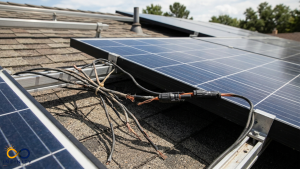
Solar panel problems can develop over time when connections loosen because of temperature changes, vibration, or poor installation, leading to reduced power output and possible fire risks.
Fixes
- Inspect connections: Check all cables and connectors for wear or corrosion.
- Tighten loose wires: Secure all connections properly.
- Replace damaged cables: Use UV-resistant and weatherproof cables.
- Hire a certified electrician: Electrical repairs should always be handled by professionals.
-
Inconsistent Energy Production

Causes
Fluctuating energy output can result from shading, inverter faults, or inconsistent sunlight. Seasonal changes also affect production levels.
Fixes
- Monitor performance: Use a solar monitoring system to track daily output.
- Check for shading: Remove obstacles that block sunlight.
- Inspect inverter and wiring: Ensure all components are functioning correctly.
- Compare with weather data: Understand that cloudy days naturally reduce output.
-
Snail Trails
Causes
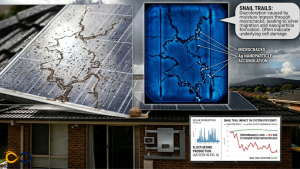
Snail trails are brownish discolorations on solar panels caused by moisture, micro-cracks, or chemical reactions within the cells. They indicate aging or manufacturing defects.
Fixes
- Replace affected panels: Snail trails often signal deeper internal damage.
- Ensure proper sealing: Prevent moisture from entering the panels.
- Choose high-quality panels: Invest in reputable brands with strong warranties.
-
Bird and Pest Damage
Causes
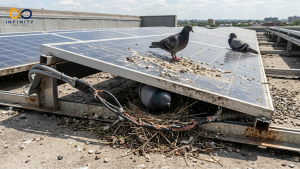
Birds and small animals can nest under panels, chew wires, or leave droppings that block sunlight.
Fixes
- Install bird mesh: Prevent animals from nesting under panels.
- Clean regularly: Remove droppings and debris promptly.
- Inspect wiring: Check for signs of chewing or damage.
-
Faulty Installation
Causes
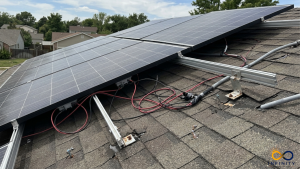
Improper installation can cause reduced performance, water leaks, or even damage to the structure. Common mistakes include incorrect tilt angles, loose mounts, or poor wiring.
Fixes
- Hire certified installers: Always use professionals with experience and proper certification.
- Inspect mounting systems: Ensure panels are securely fastened and angled correctly.
- Request post-installation testing: Verify system performance before final approval.
If your system’s problems are linked to poor workmanship like leaks, loose rails or unsafe wiring, it is crucial to work with a reputable solar installer in Sydney who can diagnose and fix the issue properly.
-
Weather-Related Damage
Causes
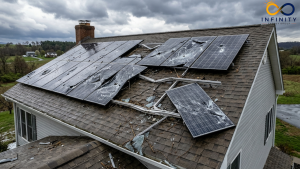
Extreme weather such as hail, heavy snow, or strong winds can damage panels or mounting structures. Many performance complaints turn out to be normal changes caused by Sydney’s weather—heatwaves, cloudy spells and coastal conditions all affect how efficiently your panels produce power, and this guide explains those effects in detail.
Fixes
- Use durable panels: Choose panels tested for impact resistance.
- Install protective covers: Use tempered glass or hail guards in high-risk areas.
- Check after storms: Inspect for cracks, loose mounts, or debris buildup.
- File insurance claims: Most solar systems are covered under homeowner insurance.
-
Degradation Over Time
Causes
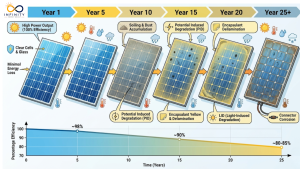
All solar panels degrade gradually, losing efficiency each year. The average degradation rate is about 0.5% to 1% annually.
Fixes
- Regular maintenance: Keep panels clean and well-maintained to slow degradation.
- Monitor performance: Track energy output to detect unusual drops.
- Upgrade components: Replace old inverters or wiring to maintain efficiency.
- Plan for replacement: After 25–30 years, consider upgrading to newer technology.
-
Monitoring System Failures

Causes
Monitoring systems track energy production and performance. Failures can occur due to software bugs, connectivity issues, or faulty sensors.
Fixes
- Check internet connection: Ensure the monitoring device is online.
- Update software: Install the latest firmware updates.
- Restart the system: Reboot the monitoring device to reset data.
- Contact support: If issues persist, contact the manufacturer or installer.
-
Ground Faults
Causes
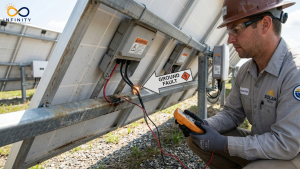
A ground fault happens when electrical current leaks from the system to the ground, often due to damaged insulation or moisture.
Fixes
- Inspect insulation: Check for cracks or wear in cables.
- Use ground fault protection devices: These detect and isolate faults automatically.
- Hire a professional: Ground faults can be dangerous and require expert repair.
Preventive Maintenance Tips
- Clean panels regularly to remove dust and debris.
- Inspect wiring and connections every six months.
- Monitor system performance using a tracking app or inverter display.
- Trim trees and vegetation to prevent shading.
- Schedule annual professional inspections to detect hidden issues early.
- Keep records of maintenance and performance for warranty claims.
FAQs for Common Solar Panel Problems and How to Fix Them

1.What are the most common solar panel problems?
Some of the most common solar panel problems include low energy production, dirty panels, inverter faults, wiring issues, hot spots, micro-cracks, bird nesting, and shading from trees or nearby buildings. Regular maintenance can help prevent many of these issues.
2.Why are my solar panels producing less electricity?
Reduced solar power output can happen due to dirt buildup, shading, damaged panels, poor weather, inverter issues, or aging components. Cleaning the panels and scheduling a professional inspection can often solve the problem.
3.How do I know if my solar inverter is faulty?
Signs of a faulty solar inverter include warning lights, error messages, unusual noises, or a sudden drop in energy production. Check the inverter display or monitoring app and contact a solar technician if the issue persists.
4.Can dirty solar panels affect performance?
Yes, dust, bird droppings, leaves, and debris can reduce solar panel efficiency by blocking sunlight. Cleaning your panels every few months or after heavy storms can improve performance.
5.What causes hot spots on solar panels?
Hot spots occur when part of a solar panel overheats due to dirt, shading, damaged cells, or poor connections. These areas can reduce efficiency and may damage the panel over time if not fixed.
6.Is it expensive to fix solar panel problems?
The cost depends on the issue. Cleaning and minor repairs are usually affordable, while inverter replacements or severe panel damage may cost more. Regular maintenance helps avoid expensive repairs.
Conclusion
Solar panels are a reliable and eco-friendly energy source, but they require proper care to perform at their best. Common problems like dirt buildup, inverter faults, or micro-cracks can reduce efficiency if left unchecked. Regular maintenance, timely repairs, and professional inspections ensure long-term performance and maximum return on investment. If your system is old, badly damaged or no longer economical to repair, it may make more sense to plan a replacement, and this guide on the best time to install solar panels in Sydney can help you choose the right moment to upgrade.
By understanding these common solar panel problems and how to fix them, homeowners and businesses can enjoy consistent, clean energy for decades while minimizing repair costs and downtime.