

Australia continues to lead the world in renewable energy adoption, and solar energy trends are shaping the nation’s transition toward a cleaner, more sustainable future. With abundant sunshine, supportive government policies, and rapid technological innovation, 2026 is set to be a defining year for solar power in Australia. This article explores the major solar energy trends driving growth, innovation, and investment across the country.
The Rise of Solar Energy in Australia

Over the past decade, Australia has experienced a solar revolution. Rooftop solar installations have become common across homes and businesses, while large-scale solar farms are transforming the energy landscape. In 2026, solar energy trends show continued expansion, with both residential and commercial sectors embracing solar as a cost-effective and environmentally friendly energy source.
According to the Clean Energy Council, solar power now accounts for a significant portion of Australia’s total electricity generation. The combination of falling solar panel prices, improved efficiency, and growing environmental awareness has made solar energy more accessible than ever before. Solar power is one of the most promising and fastest-growing sources of clean energy in Australia, thanks to the abundant sunlight and the increasing awareness of environmental sustainability.
Key Solar Energy Trends in 2026
-
Growth of Residential Solar Systems

One of the most prominent solar energy trends in 2026 is the continued growth of residential solar systems. For Sydney households, these national trends translate into very practical choices about system size, rebates, tariffs and installers, and this complete guide to solar solutions in Sydney for 2026 walks through those decisions step by step. Homeowners are increasingly turning to rooftop solar panels to reduce electricity bills and achieve energy independence. With energy prices rising, solar power offers a practical solution for long-term savings.
Advancements in solar panel technology have made systems more efficient and affordable. Modern panels can generate more power even in low-light conditions, making them suitable for a wider range of Australian climates. Additionally, government incentives and rebates continue to encourage homeowners to invest in solar installations.
-
Expansion of Solar Battery Storage

Battery storage is another major driver among solar energy trends in Australia. In 2026, more households and businesses are pairing solar panels with energy storage systems to maximize self-consumption and reduce reliance on the grid. Lithium-ion batteries, such as the Tesla Powerwall and other Australian made alternatives, are becoming more affordable and efficient.
Energy storage allows users to store excess solar power generated during the day and use it at night or during peak demand periods. This trend is helping to stabilize the grid and reduce pressure on traditional energy infrastructure.
-
Growth of Community Solar Projects

Community solar projects are gaining momentum as one of the most inclusive solar energy trends in 2026. These projects allow multiple households or businesses to share the benefits of a single solar installation. Participants can buy or lease a portion of the system and receive credits on their electricity bills based on the energy produced.
Community solar is particularly beneficial for renters, apartment dwellers, and those without suitable rooftops for solar panels. It promotes energy equity and ensures that more Australians can participate in the renewable energy transition. With so much growth so many bold marketing claims, it is more important than ever to understand the truth about Sydney’s solar panels, including what they really deliver in local conditions and where their limits are.
-
Technological Advancements in Solar Panels
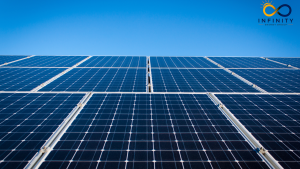
Innovation continues to drive solar energy trends in Australia. In 2026, solar panels are more efficient, durable, and aesthetically pleasing than ever before. New technologies such as bifacial panels, perovskite solar cells, and thin-film solar materials are improving energy conversion rates and reducing costs. One clear trend for 2026 is the move towards higher‑efficiency, better‑warranty panels, and this overview of the top 10 solar panel brands in Australia shows which manufacturers are leading on performance and long‑term reliability
Bifacial panels, for example, can capture sunlight from both sides, increasing total energy output. Perovskite solar cells offer flexibility and high efficiency, making them ideal for integration into building materials and portable devices. These advancements are expanding the potential applications of solar energy across industries. As new technologies such as high‑efficiency mono panels and advanced cell designs become more common in Australia, beginners who want to understand the differences between panel types can explore this guide that explains the main types of solar panels in simple terms.
-
Integration of Smart Solar Systems

Smart technology is transforming how solar energy is managed and optimized. One of the fastest-growing solar energy trends in 2026 is the integration of smart solar systems that use artificial intelligence (AI) and the Internet of Things (IoT) to monitor and control energy production and consumption.
Smart inverters, energy management apps, and real-time monitoring tools allow users to track performance, detect issues, and optimize energy usage. These systems can automatically adjust energy flow based on weather conditions, electricity prices, and household demand, ensuring maximum efficiency and savings.
-
Growth of Solar Farms and Utility-Scale Projects
Large-scale solar farms are a cornerstone of Australia’s renewable energy strategy. In 2026, solar energy trends indicate a surge in utility-scale projects across states like Queensland, New South Wales, and South Australia. These massive installations are helping to meet national renewable energy targets and reduce carbon emissions.
.Solar farms are also creating new job opportunities in construction, maintenance, and engineering. Many projects are being developed in regional areas, providing economic benefits to local communities while contributing to the national grid.
-
Hybrid Renewable Energy Systems
Hybrid systems that combine solar power with other renewable sources, such as wind or hydro, are becoming increasingly popular. This integration ensures a more stable and reliable energy supply, addressing one of the main challenges of renewable energy—intermittency.
In 2026, solar energy trends show that hybrid systems are being adopted by both utilities and private businesses. These systems can balance energy production throughout the day and night, improving grid stability and reducing the need for fossil fuel backup. With grid electricity prices remaining volatile while solar system costs continue to fall, more households are comparing solar panels with traditional electricity supply to see which option really works out better over the long term.
-
Corporate Adoption of Solar Energy
Businesses across Australia are embracing solar energy as part of their sustainability strategies. Corporate solar adoption is one of the fastest-growing solar energy trends in 2026. Companies are installing rooftop solar systems, signing power purchase agreements (PPAs), and investing in renewable energy certificates to offset their carbon footprints.
This shift is driven by both environmental responsibility and economic benefits. Solar energy reduces operational costs, enhances brand reputation, and aligns with consumer expectations for sustainable business practices.
-
Government Policies and Incentives
Government support remains a key factor influencing solar energy trends in Australia. Federal and state programs continue to offer rebates, feed-in tariffs, and low-interest loans to encourage solar adoption. The Small-scale Renewable Energy Scheme (SRES) and various state-based initiatives make solar installations more affordable for households and businesses.
In 2026, policy frameworks are also focusing on grid modernization, energy storage integration, and renewable energy targets. These measures are ensuring that solar energy remains a central component of Australia’s clean energy transition.
-
Solar Energy in Regional and Remote Areas

Remote and regional communities are increasingly benefiting from solar energy solutions. Off-grid solar systems are providing reliable electricity to areas previously dependent on diesel generators. This shift is improving energy access, reducing costs, and minimizing environmental impact.
Among the most impactful solar energy trends in 2026 is the deployment of microgrids powered by solar and battery storage. These systems enhance energy resilience and independence, particularly in regions vulnerable to extreme weather events.
Environmental and Economic Impact
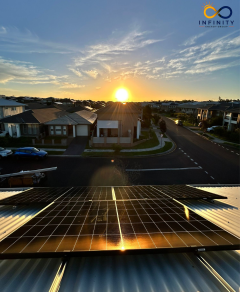
The widespread adoption of solar energy is delivering significant environmental and economic benefits. By reducing reliance on fossil fuels, Australia is cutting greenhouse gas emissions and improving air quality. Solar energy also supports job creation across manufacturing, installation, and maintenance sectors.
In 2026, solar energy trends show that the renewable energy industry is contributing billions to the national economy. The growth of solar power is fostering innovation, attracting investment, and positioning Australia as a global leader in clean energy technology.
Challenges and Future Outlook
Despite the positive momentum, several challenges remain. Grid integration, energy storage capacity, and recycling of old solar panels are ongoing concerns. However, continuous research and policy development are addressing these issues.
Looking ahead, solar energy trends suggest that Australia will continue to expand its renewable energy capacity. Emerging technologies such as floating solar farms, solar-powered electric vehicle charging stations, and building-integrated photovoltaics (BIPV) are expected to shape the next phase of growth.
FAQs for Solar Energy Trends in Australia for 2026

-
What are the biggest solar energy trends in Australia for 2026?
The major solar energy trends in Australia for 2026 include increased adoption of battery storage systems, smarter energy management through AI, higher-efficiency solar panels, virtual power plants (VPPs), and greater investment in commercial and residential solar installations.
-
Will solar panels become more affordable in Australia in 2026?
Yes, solar panel prices are expected to remain competitive in 2026 due to improved manufacturing technologies, increased market competition, and government incentives, making solar more accessible for Australian households and businesses.
-
Are solar batteries becoming more popular in Australia?
Yes, solar battery storage is expected to grow significantly in 2026 as homeowners look for energy independence, reduced electricity bills, and backup power during outages.
-
What role will battery storage play in Australia’s solar future?
Battery storage will help homeowners store excess solar energy generated during the day for use at night, reducing reliance on the grid and maximizing energy savings.
-
Will government incentives for solar continue in 2026?
Many Australian states are expected to continue supporting solar adoption through rebates, feed-in tariffs, and battery incentives, although programs may vary by location.
-
How will smart solar technology evolve in 2026?
Smart solar systems with AI-powered monitoring apps and intelligent inverters are expected to improve energy efficiency by optimizing energy production and consumption in real time.
Conclusion
The year 2026 marks a pivotal moment for Australia’s renewable energy journey. The latest solar energy trends highlight a nation committed to sustainability, innovation, and energy independence. From residential rooftops to vast solar farms, solar power is transforming how Australians generate and consume electricity.
As technology advances and public awareness grows, solar energy will remain at the forefront of Australia’s clean energy future. The combination of supportive policies, smart systems, and community engagement ensures that solar power continues to shine as a key driver of progress and prosperity.