
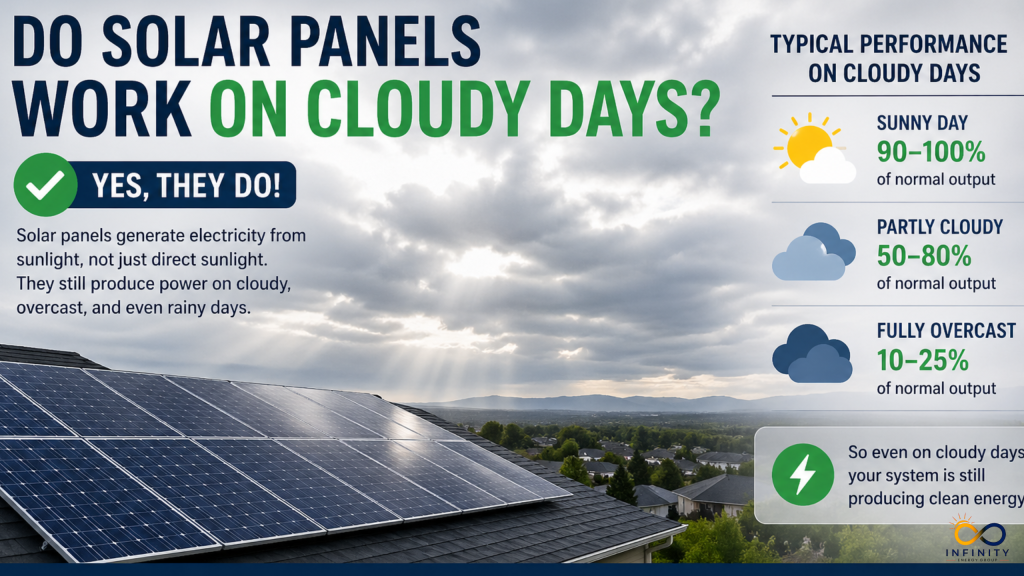
Solar energy has become one of the most popular renewable energy sources in the world. Many homeowners and businesses are switching to solar panels to reduce electricity bills and carbon footprints. However, one common question often arises: Do solar panels work on cloudy days? The short answer is yes, they do but with some limitations. This article explores how solar panels perform under cloudy conditions, the science behind their operation, and how to maximize energy production even when the sun isn’t shining brightly.
Understanding How Solar Panels Work
The key factor here is sunlight, not necessarily direct sunlight. Solar panels can still generate electricity from diffused sunlight, which occurs when sunlight is scattered by clouds, fog, or haze. **Do solar panels work on cloudy days?** Yes, they continue producing power even on overcast days just at a reduced rate thanks to diffuse sunlight.
How Cloud Cover Affects Solar Panel Efficiency
Clouds can block some of the sunlight that reaches the Earth’s surface, reducing the amount of solar energy available for conversion. On average, solar panels produce between 10% to 25% of their normal output on cloudy days compared to clear, sunny days. The exact percentage depends on several factors:
- Cloud density: Thick, dark clouds block more sunlight than thin, light clouds.
- Time of day: Midday clouds have a greater impact than morning or evening clouds.
- Panel orientation and tilt: Properly angled panels can capture more diffused light.
- Panel technology: Some solar panels perform better in low-light conditions than others.
Despite these variations, do solar panels work on cloudy days? Solar panels rarely stop producing electricity entirely unless the sky is completely dark, such as during nighttime or severe storms. Beyond cloud cover, it is also important to understand How Sydney’s weather affects solar panel efficiency to get the most out of your energy production.
The Role of Diffused Sunlight
Even when the sun is hidden behind clouds, sunlight still reaches the Earth’s surface in the form of diffused light. This scattered light is enough to activate the photovoltaic cells in solar panels. Modern solar technology is designed to capture and convert this diffused light efficiently. It is true that solar panels are more efficient during sunny days. However, solar panels can still generate electricity through cloudy weather and long winters.
For example, monocrystalline solar panels, known for their high efficiency, tend to perform better in low-light conditions than polycrystalline panels. Similarly, thin-film solar panels can also handle cloudy weather effectively because of their ability to absorb a wider range of light wavelengths.
Real-World Examples of Solar Power in Cloudy Regions
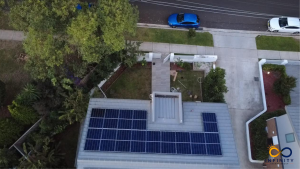
Some of the world’s top solar-powered nations thrive without endless sun—do solar panels work on cloudy days? Yes, proving their reliability in varied climates.. This proves that solar energy can thrive even in cloudy climates.
- Germany: Despite having many cloudy days, Germany has been a global leader in solar energy production for years. The country’s efficient solar infrastructure and supportive policies make it a prime example of solar success in less-than-perfect weather.
- United Kingdom: The UK experiences frequent overcast skies, yet solar energy continues to grow rapidly. Homeowners and businesses benefit from solar panels that generate power even during cloudy conditions.
- Seattle, USA: Known for its rainy weather, Seattle still sees significant solar adoption. While production dips during cloudy months, annual energy generation remains strong enough to make solar panels a worthwhile investment.
These examples show that solar energy systems can perform well even in regions with limited sunshine.
How Much Energy Do Solar Panels Produce on Cloudy Days?
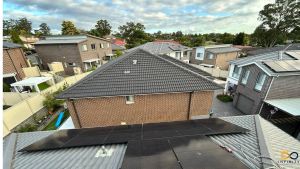
The amount of energy solar panels produce on cloudy days depends on the solar irradiance—the amount of sunlight reaching the panels. On a bright sunny day, solar irradiance can reach around 1,000 watts per square meter. On a cloudy day, this may drop to 100–300 watts per square meter.
For instance, if a solar system typically generates 5 kilowatt-hours (kWh) per day under full sun, it might produce between 0.5 and 1.5 kWh on a cloudy day. While this is a reduction, it still contributes to overall energy needs and helps lower electricity bills.
The Impact of Rain and Snow on Solar Panels
Cloudy weather often comes with rain or snow, which can also affect solar performance. However, these weather conditions can have some surprising benefits.
- Rain: While rain reduces sunlight temporarily, it helps clean the surface of solar panels by washing away dust and debris. Clean panels absorb sunlight more efficiently once the sky clears.
- Snow: Light snow can reflect sunlight, increasing the amount of light reaching the panels. However, heavy snow accumulation can block sunlight completely until it melts or is removed.
Proper installation angles help snow slide off panels more easily, minimizing downtime during winter months “Do solar panels work on cloudy days?” Absolutely they keep generating power through diffuse light, ensuring year round reliability even in overcast conditions.
Battery Storage: A Solution for Cloudy Days
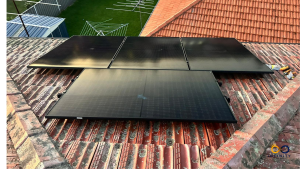
One of the best ways to ensure consistent power supply during cloudy days is by using solar battery storage systems. Batteries store excess energy generated during sunny periods, allowing it to be used when sunlight is limited. This setup ensures that homes and businesses can rely on solar power even during extended cloudy or rainy periods.
Popular battery options, such as lithium-ion batteries, offer high efficiency and long lifespans. Combining solar panels with battery storage creates a more resilient and self-sufficient energy system.
Net Metering and Grid Connection Benefits
For grid-tied solar systems, net metering provides another advantage during cloudy days. When solar panels produce more electricity than needed on sunny days, the excess power is sent to the grid. In return, homeowners receive credits that can offset electricity usage during cloudy or nighttime hours.
This system ensures that even when solar production dips, energy costs remain low or even zero over time. It’s an effective way to balance solar energy generation and consumption throughout the year.
Tips to Maximize Solar Panel Efficiency on Cloudy Days
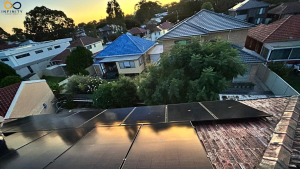
While weather conditions can’t be controlled, several strategies can help improve solar panel performance during cloudy periods:
- Choose high-efficiency panels: Monocrystalline panels and advanced thin-film technologies perform better in low-light conditions.
- Optimize panel placement: Install panels at the correct tilt and orientation to capture maximum sunlight throughout the day.
- Keep panels clean: Regular cleaning ensures that dirt or debris doesn’t block available sunlight.
- Use a solar tracking system: Trackers adjust the angle of panels to follow the sun’s movement, increasing energy capture even under partial cloud cover.
- Invest in battery storage: Store excess energy for use when sunlight is limited.
- Monitor system performance: Use solar monitoring tools to track energy production and identify any issues early.
Implementing these practices can significantly enhance solar energy output, even in less-than-ideal weather conditions.
Seasonal Variations and Long-Term Performance
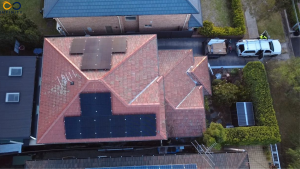
Solar energy production naturally fluctuates with the seasons. During summer, longer daylight hours and clearer skies lead to higher energy output. In contrast, winter months bring shorter days and more cloud cover, reducing production. However, solar panels are designed to perform efficiently year-round, balancing out these seasonal differences.
Over the course of a year, the total energy generated by a solar system in a cloudy region can still meet most or all of a household’s electricity needs. The key is proper system sizing and installation based on local weather patterns.
The Future of Solar Technology in Cloudy Conditions
Advancements in solar technology continue to improve performance under cloudy skies. Researchers are developing bifacial solar panels that capture sunlight from both sides, increasing efficiency by reflecting light from the ground. Perovskite solar cells are another promising innovation, offering better performance in low-light environments.
As advancing solar technologies grow more affordable and widespread, “do solar panels work on cloudy days?” Absolutely, they thrive on scattered light, boosting reliability across all weather types. If you are still deciding whether to proceed, read our starter guide to see if solar energy is worth it in Sydney for your household or business
☁️ FAQ: Do Solar Panels Work on Cloudy Days?

1. Do solar panels generate electricity when it’s cloudy?
Yes, solar panels still generate electricity on cloudy days. They rely on daylight—not just direct sunlight ,so even diffused light passing through clouds can produce energy.
2. How much efficiency is lost on cloudy days?
Production typically drops to about 10%–50% of normal output, depending on how thick the cloud cover is. Light overcast conditions allow more energy generation than heavy storm clouds.
3. Do solar panels work in rainy weather?
Yes. Rain can actually help by cleaning dust and debris off the panels, which may improve efficiency once sunlight returns.
4. Do solar panels work during winter or snow?
They do work in winter as long as sunlight reaches them. In fact, cooler temperatures can improve panel efficiency. However, snow covering the panels will temporarily block production until it melts or is cleared.
5. What type of solar panels perform best in low light?
Monocrystalline panels tend to perform better in low-light conditions compared to polycrystalline panels because of their higher efficiency.
Conclusion
Solar panels do work on cloudy days, though their efficiency decreases compared to sunny conditions. Thanks to modern technology, diffused sunlight still generates a significant amount of electricity. With proper installation, maintenance, and the addition of battery storage or net metering, solar energy remains a dependable and cost-effective power source year-round.
Cloudy weather may reduce solar output temporarily, but it doesn’t stop solar panels from working. Whether in sunny California or cloudy London, solar energy continues to shine as a sustainable solution for the future. Do solar panels work on cloudy days?Yes, they harness diffuse light effectively, making them viable worldwide.